
Band Baaja Baraat
A marketplace for wedding vendors
2021 was an interesting year for the Pakistani startup space. Pakistan raised close to $350 million in VC funding. Airlift and Bazaar were at the forefront, leading the entrepreneurial wave of the country. Investors were pooling money into the fifth most populous country, having one of the world’s largest youth markets.
It felt good. It sounded cool. As a Junior year student, I could see myself working on a moonshot project. I started reading Paul Graham's essays in my free time, watching Y-Combinator’s summer school playlist while eating breakfast, and scanning through books on entrepreneurship during study breaks.
All set with the theoretical knowledge, in the summer of 2021, it was time to do something big. And that is where Band Baaja Baraat started.
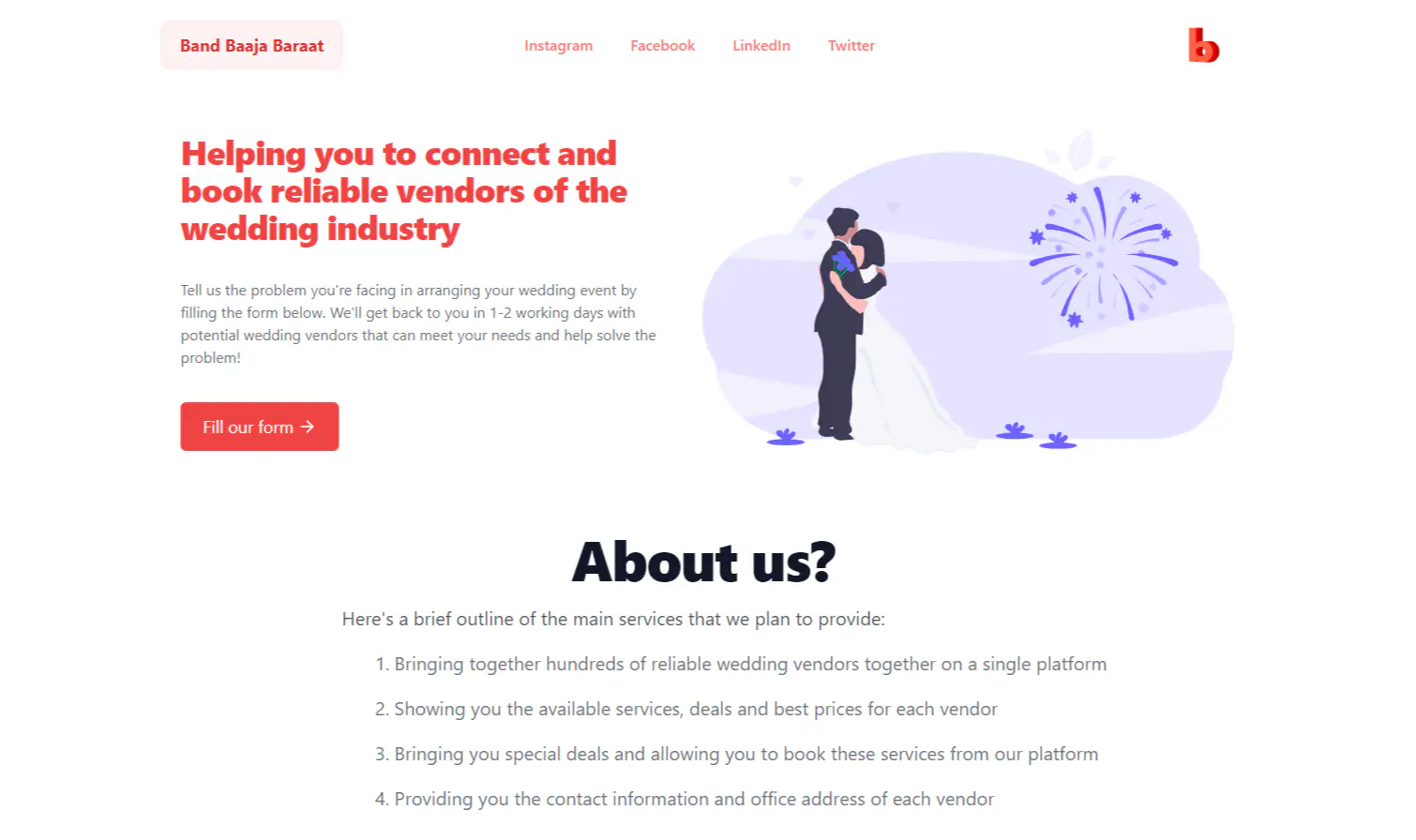
Landing page of our website
My Role
Co founder
Duration
5 months
Our process
- Problem Identification
- User Research
- Designed Solution
- The MVP (Minimum Viable Product)
- Did it work?
Problem Identification
How might we provide a comprehensive and convenient one-stop-shop for wedding planning, connecting customers with hundreds of reliable wedding vendors and offering a range of services, deals, and prices all in one place?
User Research
Target Audience
Vendors: Any businesses or individuals who contribute to the planning and execution of a wedding event. These may include videographers, florists, or wedding planners.
Customers: Individuals seeking goods or services related to planning and executing a wedding event.
Fieldwork and insights
We reached out to businesses and individuals to understand the user pain points and internalize the end-to-end process of planning a wedding. We asked people we knew around us belonging to different educational, social, and financial backgrounds if they are willing to be part of this study and if they believe in this problem space. Similarly, we identified the hotspots of various wedding vendors in the city and talked to the business managers.
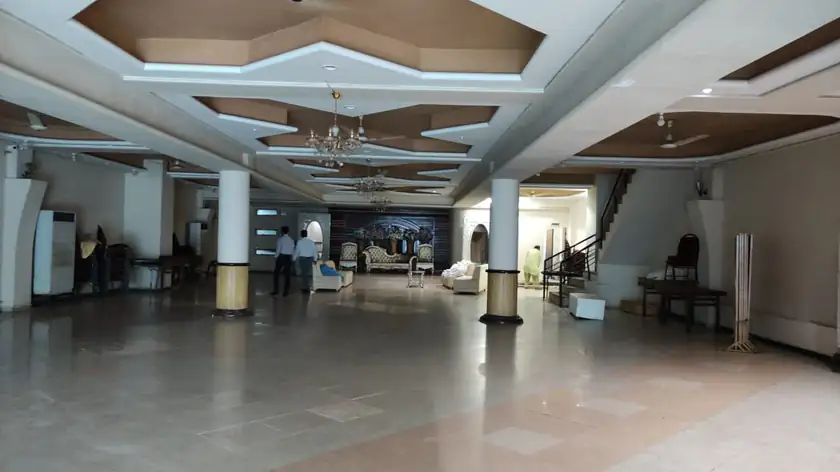
Visiting a wedding hall in Faisal Town to understand the booking procedure, and get an estimate of the expenses involved. Wedding hall owners only allowed the customers to choose from their selected list of vendors. Private vendors were strictly discouraged to maintain the quality of service.
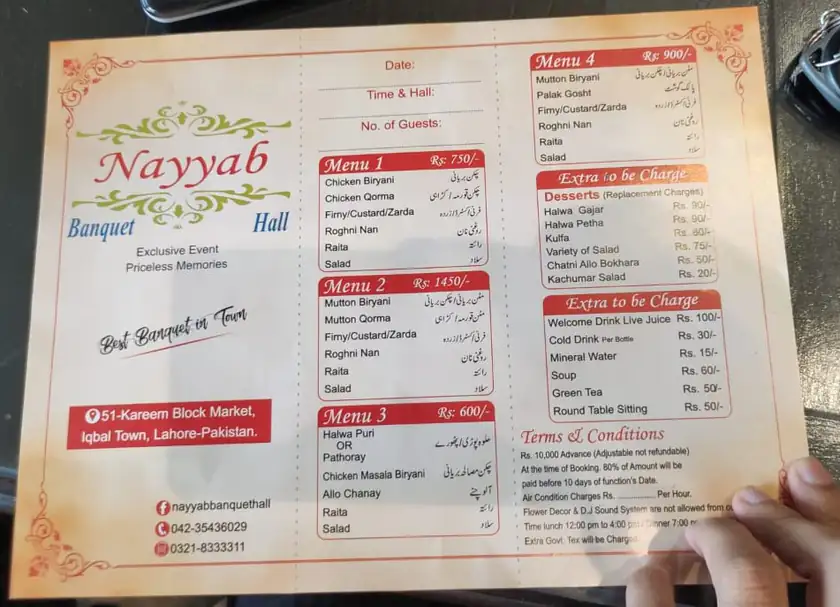
We gathered the menu items, and business cards from all venues to analyze how the rates differed region to region. It also allowed us to keep an archive of contact details of our potential first users.
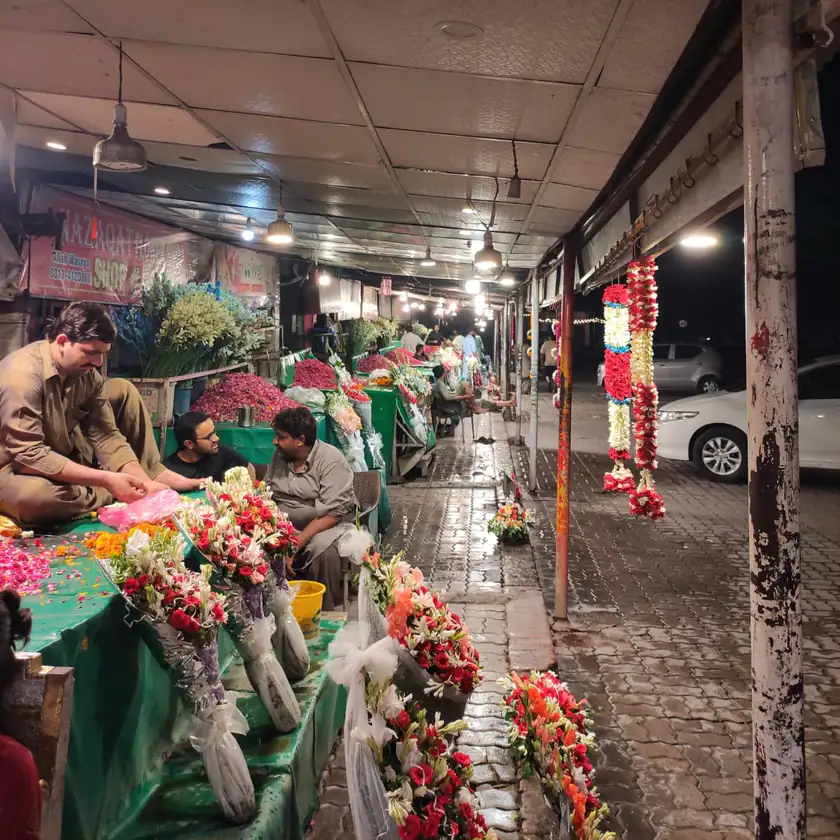
We interviewed florists of Allama Iqbal Town to check if they could use mobile applications and to gauge their willing to digitize their shops. The vendors used Whatsapp for bookings and kept digital catalouges in the form of pictures. When demanded, they sent all the pictures collectively to the customers via Whatsapp.
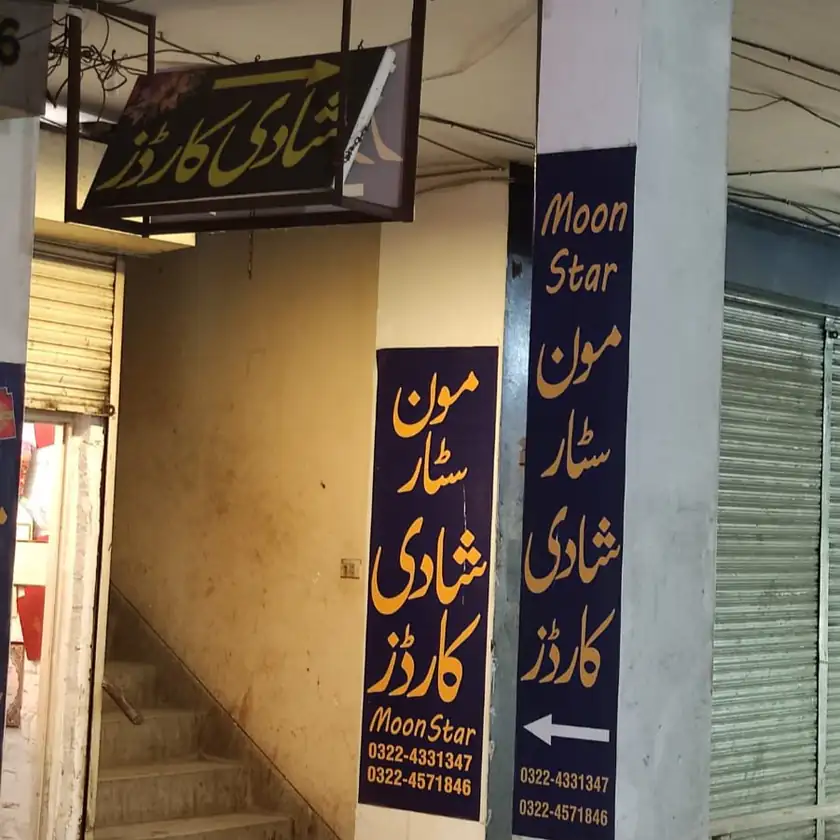
Shadman Market is famous for the wedding card vendors residing in a localized area. The vendors were seriously concerned about theft of their card designs which is the major reason they did not want to open online shops.
Interviews with customers
At the start of our interviewing phase with the customers, we selected participants male between 25-29 years of age since this is the average age by which a Pakistani gets married. However, we quickly realized we were targeting the wrong demographic. The primary decision-makers in wedding planning are the elders of the family.
We gathered the following insights:
One of the critical factors when choosing a wedding hall is the quality of food served by them. The hall owners invite potential customers to test food quality before finalizing the booking.
Customers do not invest many resources in wedding cards. Their primary expense is on the wedding venue.
Word-of-mouth plays a crucial role when selecting potential vendors. Customers always prefer traveling to the vendor offices and viewing physical samples of the goods.
Designed Solution
With insights in hand, we started brainstorming on possible design alternates for a minimum viable product (MVP) that could assist us in validating our idea from actual customers. Moreso, we wanted to let the world know of our existence.
Creating a brand identity
We named our startup after a famous Bollywood movie, Band Baaja Baraat (BBB). The movie is about the challenges two youngsters face when they start a wedding enterprise in India. Since the name has three words all starting from a ‘B,’ we chose to base our logo on the same premise. Similarly, we chose red color to display strong emotion of love and passion.
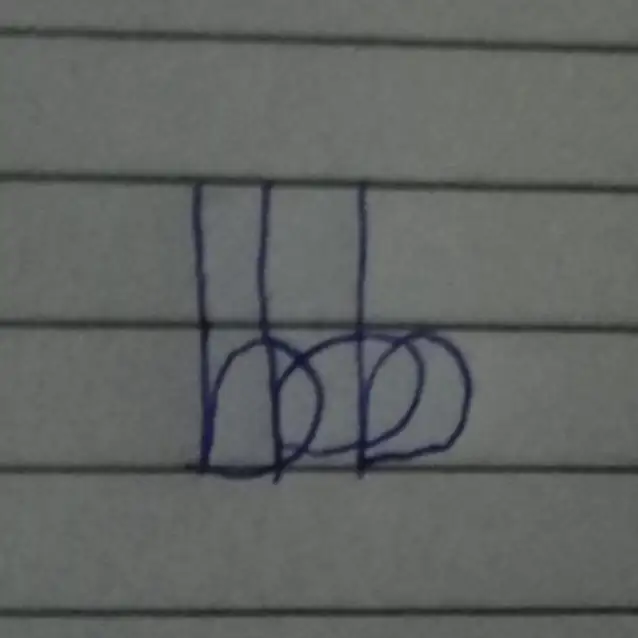
The first sketch of our logo

The finalized version
Keeping ourselves relevant
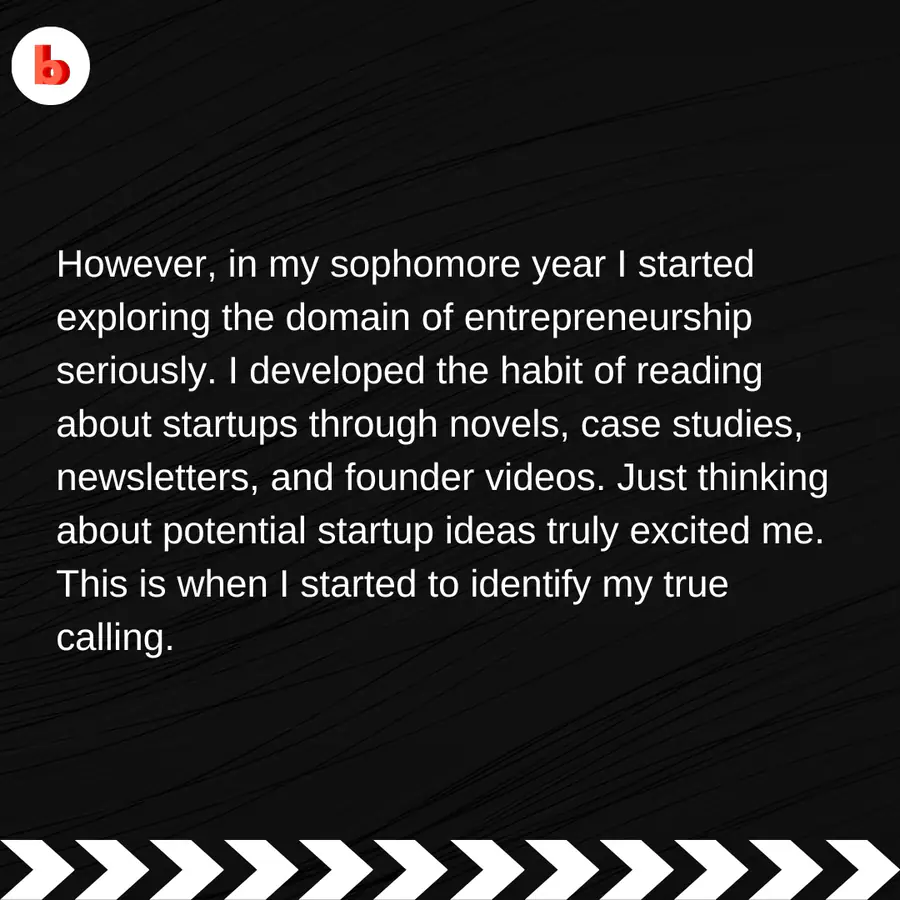
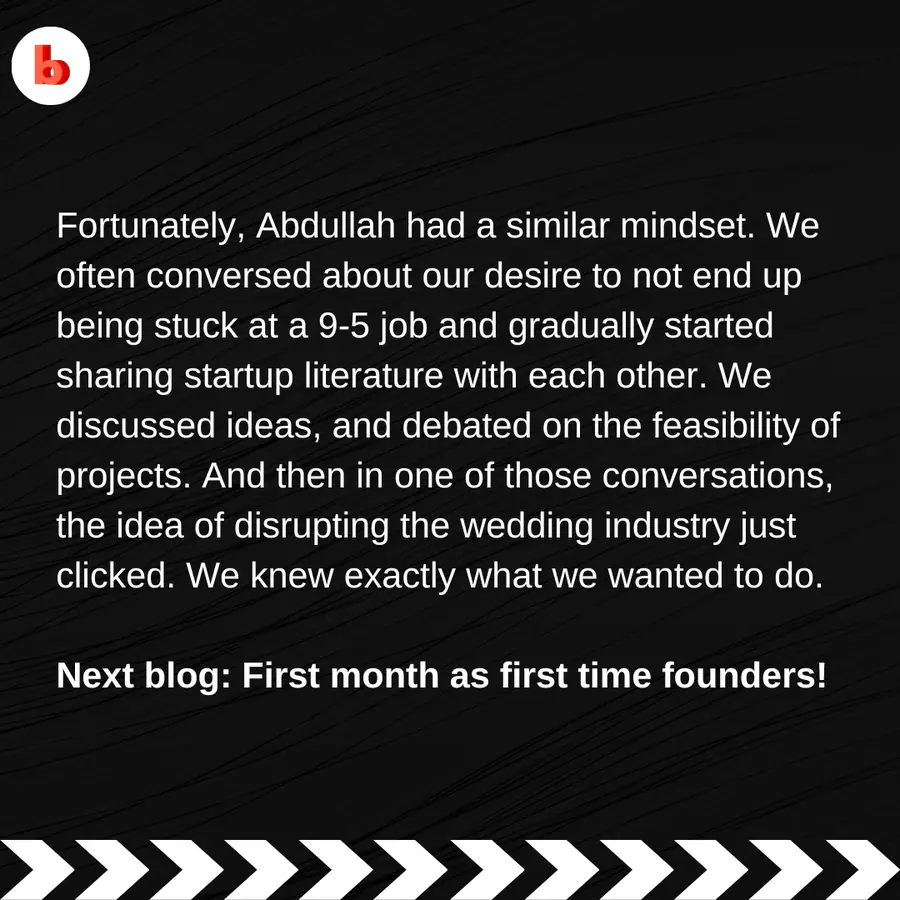
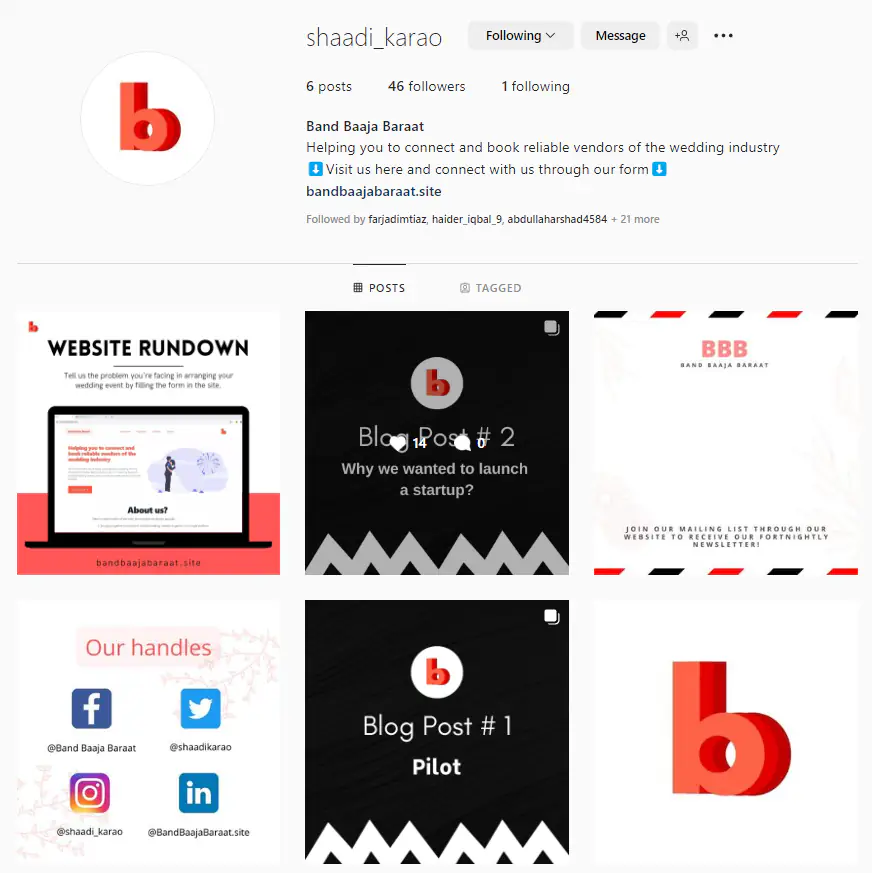
We created social media handles of BBB and started posting regularly. We decided to share our startup experience in the form of blog posts for the budding entrepreneurs to get inspired from our work.

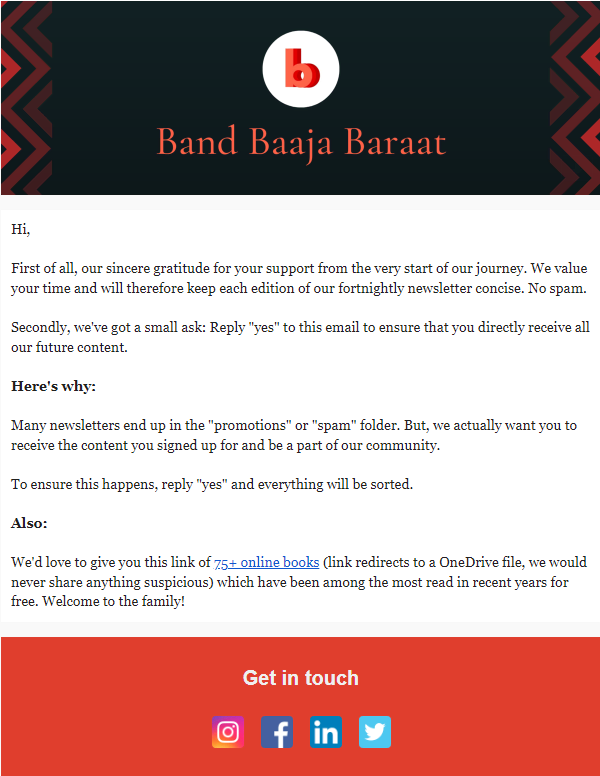
In addition, we launched a fortnightly newsletter to keep our subscribers updated with the recent developments.
The MVP (Minimum Viable Product)
With vendors on board, we decided to launch our MVP to finally start serving our first customers. Abdullah and I settled on creating a static website and releasing a form for the customers to avail our services. Since we did not have any knowledge on how websites are made, I took up an online course on web development. Within a week, after quick iterations on the design, we launched the MVP.
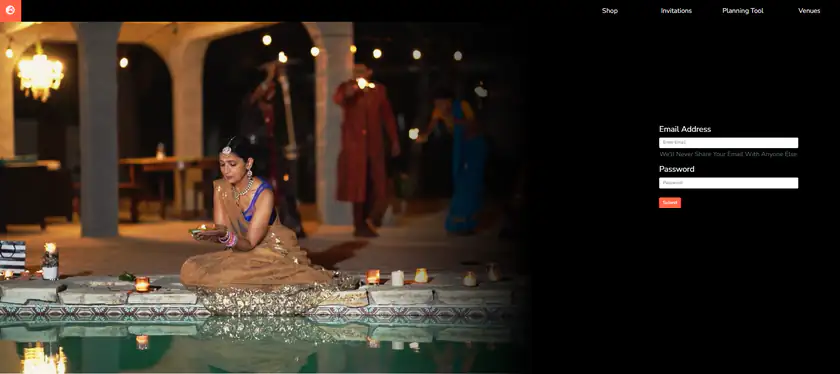
First version of the website
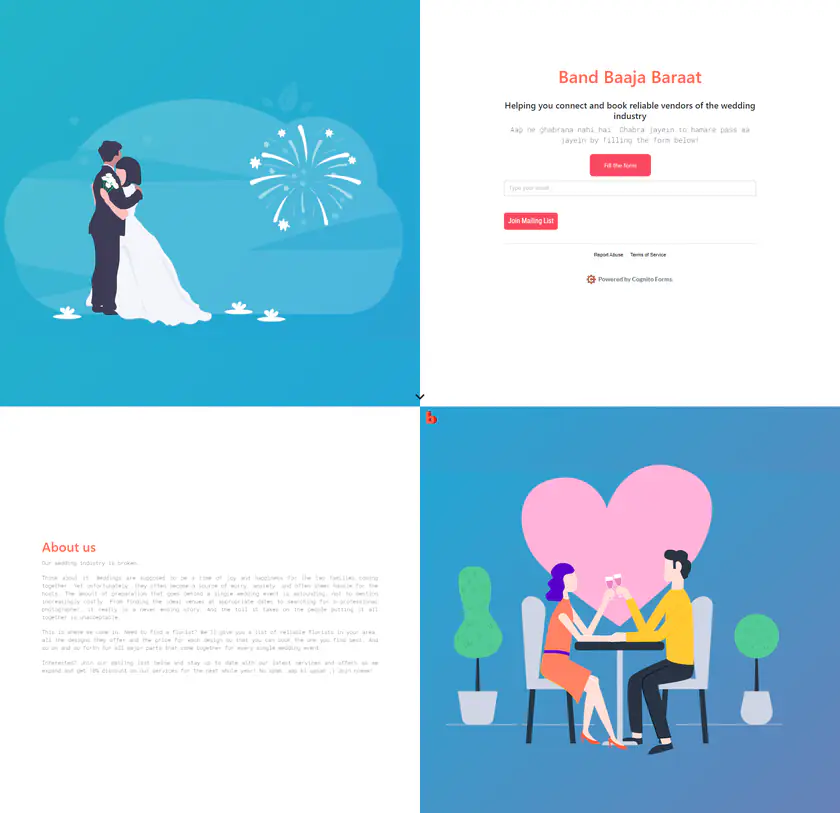
Second version of the website
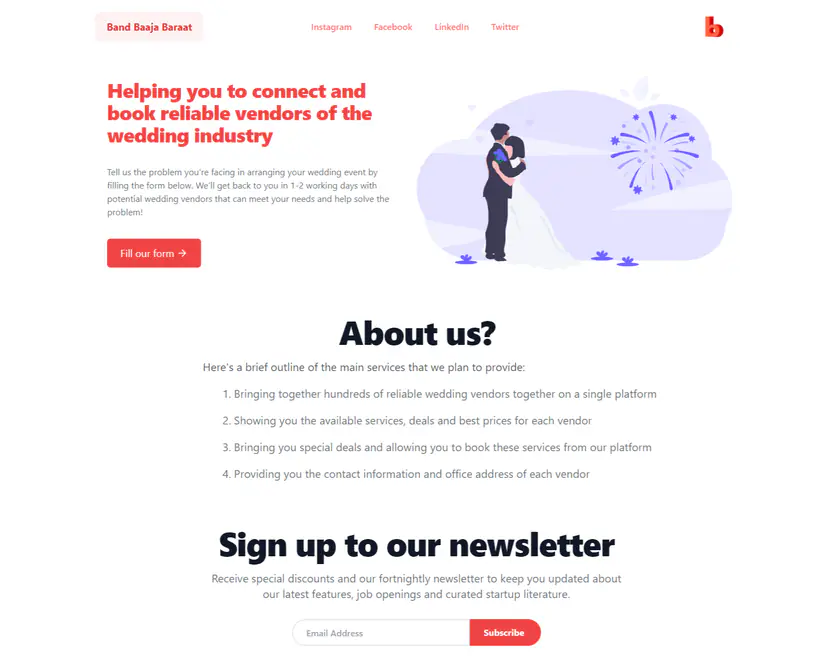
Third version of the website
Did it work?
Yes! But for a while…
We had started serving actual customers. We provided them with a tailored list of vendors according to their requirements, provided deals and discounts, accompanied them to wedding planners and wedding card outlets.
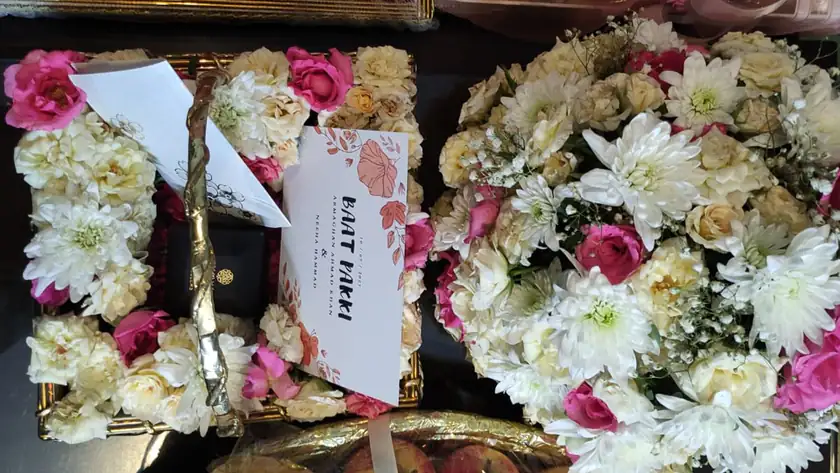
Despite the initial success, we had to shut down.
Our semester had taken off and we were finding it hard to manage the startup and our studies.
We were not getting enough customers as we had anticipated. We did not have enough time to market the product outside of our circle.
We did not have enough expertise at the time to develop a complete mobile/ web application.